






PROPERTY SEARCH

Stuck Indoors on the Costa Blanca? Storm Season Survival Guide
By Helen R. | Costa Blanca resident and lifestyle writer, 11 years covering expat life in Alicante province. Tested August 2026.
Costa Blanca Storm Season: What Expats Do When the Rain Keeps Them Indoors
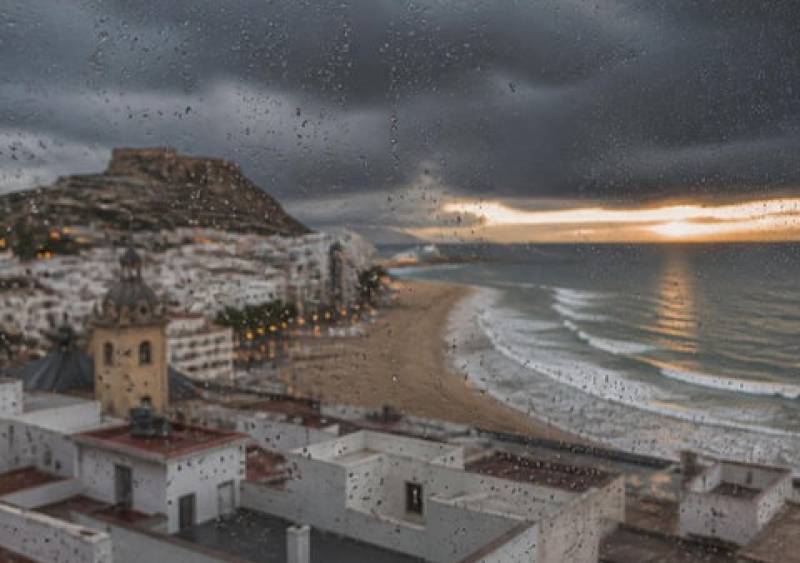 The orange alert came through at 6am. By 9am, half of Torrevieja's beach bars had pulled their shutters down. The promenade in Guardamar sat empty except for one very committed dog walker. This is what a DANA looks like on the Costa Blanca. No warning shot. Just a sudden shift from 34 degrees and flat sea to hail hammering the terracotta roof tiles.
Anyone who's lived here more than a summer knows the pattern by now. AEMET issues the alert. WhatsApp groups light up with photos of flooded roundabouts in Elche. The whole coast quietly accepts that today's plans are cancelled. It happened again this month, with severe storms and hail forecast across the province sending residents scrambling for candles and dry firewood they didn't think they'd need in August.
What actually happens next, inside all those shuttered villas and third-floor apartments, gets talked about far less. So here's the real answer.
Why the Rain Hits So Hard, So Fast
The science behind it has a proper name. Meteorologists call it DANA, a Spanish acronym for an isolated depression at high levels. In English it's sometimes called a cut-off low. Warm, moisture-loaded air off the Mediterranean collides with cooler air pushing down from the north. The result isn't gentle. It's torrential.
The Royal Meteorological Society explains the mechanics of these cut-off lows, and the short version matters if you're planning a week at the villa. This isn't ordinary rain. September through November is peak season, but a rogue DANA can show up in August too, as plenty of Alicante residents were reminded this week.
A storm like this rarely passes in an afternoon. Multi-day lockdowns are common. Roads flood, some schools close, and the sensible move is to just stay put. Which raises the actual question everyone in this situation ends up asking around hour four. What do you dowith yourself?
The Indoor Playbook Expats Actually Use
Books come out first, always. Most long-term expats on the coast keep a stack they've been meaning to get to, and a DANA is when it finally happens. After that, streaming takes over. Netflix and Filmin subscriptions spike noticeably during storm weeks. That's according to conversations I've had with neighbours in three different urbanizaciones over the years, not a formal survey, just what people actually say.
Board games make a comeback too. Every villa seems to have a dusty box of Scrabble in the cupboard under the stairs that nobody touches from June to September. Suddenly it's the main event.
Then there's the online option, which has genuinely grown as a wet-weather habit among the expat community here. A fair number of residents pass a rain-locked afternoon browsing licensed gaming sites. If you're weighing that up, https://esports.gg/eu/guides/betting/online-casinos/ breaks down which platforms are properly regulated and worth your time versus the ones that aren't. Worth a look before you sign up anywhere. Set a budget before you start, and stick to it. If gambling stops feeling like fun, GamCare and BeGambleAware both offer free, confidential support.
Some people cook instead. A slow paella takes on a different meaning when you've got six hours to kill and nowhere to be. Others catch up on Spanish admin they've been avoiding. Nobody enjoys it. Everyone does it during a storm anyway.
Storms Are Getting Worse, Not Just More Frequent
Here's the part that's harder to ignore each year. This isn't just bad luck repeating. Research from World Weather Attribution links the intensifying downpours in southeastern Spain directly to warmer sea temperatures driven by fossil fuel emissions. The Mediterranean is running hotter than it used to. Hotter seas load more moisture into the air. That moisture eventually has to come down somewhere. Often that somewhere is Alicante province.
Locals who've been here thirty years will tell you the autumn storms used to be predictable. One or two big events, spaced out, over by December. That rhythm has broken down. Now it's DANA in August, DANA in October, DANA again in January, each one arriving with less warning than the last.
Property owners feel this most directly. Ground-floor apartments near the Segura or Vinalopó rivers flood in a way they simply didn't fifteen years ago. Insurance premiums in flood zones have crept up accordingly. It's changed how some buyers think about location entirely. Elevation now beats sea view for a lot of first-time buyers, something almost nobody would have said back in 2010.
What to Actually Have Ready
A torch. Bottled water. Enough phone battery to check the AEMET app without panicking. Beyond that, the honest answer is boredom management, because the power rarely goes for long and the internet usually holds.
Check the Alicante Today Weekly Bulletin before a forecasted storm hits. It's the fastest way to see what's actually closing, what events are cancelled, and whether the alert has been upgraded since the morning update.
And once the rain clears, which it usually does within 48 to 72 hours, check the Daily Events Diary for what's been rescheduled. Fiestas get pushed, markets move, and the calendar resets fast once the sun's back.
Frequently Asked Questions
How long does a typical DANA last on the Costa Blanca? Most events last between one and three days, though the heaviest rainfall is usually concentrated in a six- to twelve-hour window. Roads and low-lying areas can stay flooded for longer even after the rain itself stops.
Is it safe to drive during an orange or red alert? During a red alert, no. Local authorities strongly discourage non-essential travel, and flooded roundabouts are a genuine hazard. Orange alerts call for caution too, especially near riverbeds.
Does a DANA only happen in autumn? No. Autumn is peak season, but as this August's alert showed, cut-off lows can form whenever the right conditions line up. Climate data suggests the season window is widening rather than staying fixed.
Why do these storms seem worse than a decade ago? Warmer Mediterranean sea temperatures load more moisture into the atmosphere, and that has to fall somewhere. Scientific attribution studies point to this as a measurable trend rather than a random cluster of bad years.
What's the quickest way to check if my town is under alert? The AEMET app is the official source, but most residents also lean on local WhatsApp groups and Alicante Today's regional updates for real-time, plain-English context on what's actually happening on the ground.
Storm season on the Costa Blanca isn't going anywhere. If anything, it's becoming a bigger part of the yearly rhythm than it used to be. The residents who cope best aren't the ones who fight it. They're the ones with a book on the shelf, something on the stove, and a plan for the wet afternoon that's inevitably coming.