Date Published: 28/04/2026
Mohamed's fight to stay in Cartagena: The young man who saved a life now hoping Spain will change his
The city is rallying behind the young man as he fights for the right to residency in Spain as part of the extraordinary regularisation process
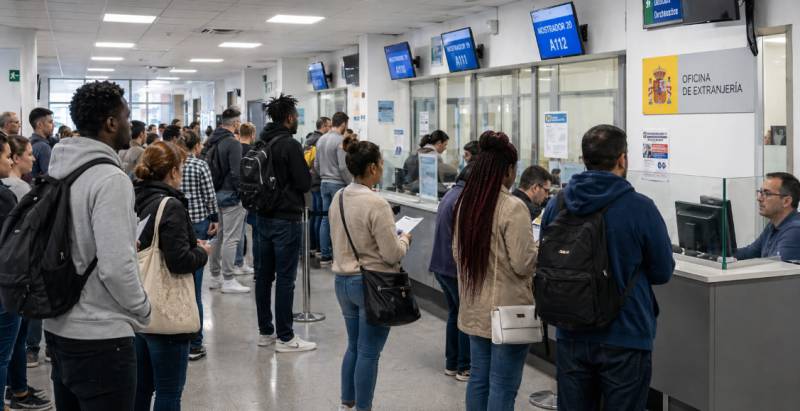
Mohamed Diagne is desperately trying not to get his hopes up. After the Immigration Office refused his residency application, the young man who pulled a
Cartagena woman from the sea last September has been through enough disappointment to know better than to count on anything.
But on Monday morning, for the first time in a while, there were reasons to feel cautiously optimistic.
"They explained that we're going to start the process to get this certificate," he said.
"According to the social workers, I should know something within four days, but they made it clear that they can't guarantee anything. I'll wait for the result and see if I have better luck."
Most people in Cartagena will know Mohamed's story by now. Last year, he rescued Pepita Ortas after she fell into the water between a boat and the harbour wall, an act of instinct and bravery that earned him the admiration of the whole city. Pepita and her family have been fighting in his corner ever since, determined that the man who saved her life should be allowed to build one here.
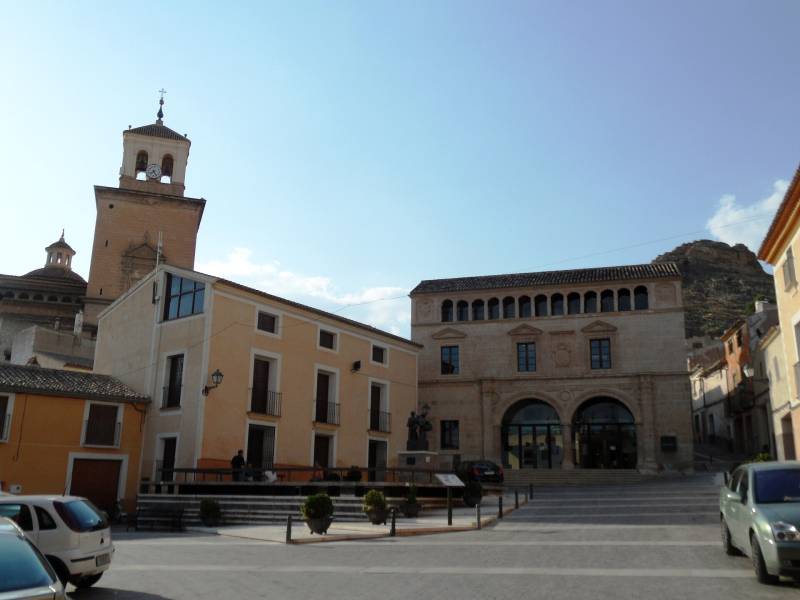
Cartagena City Council was quick to respond when news of the residency refusal broke. Mayor Noelia Arroyo instructed social services to make contact with Mohamed and explain the extraordinary regularisation route as soon as the decision became known. The council was keen to point out, though, that its role has its limits.
"The regularisation process itself falls outside the municipality's jurisdiction, as it is the exclusive responsibility of the State," official sources explained.
"However, the City Council is providing him with all the necessary assistance to complete the process."
The Government Delegation has also stepped in, confirming it had already been in contact with Mohamed. According to the Delegation, the General Directorate of Migration Management concluded that the extraordinary regularisation process is the most appropriate and secure route to resolving his situation. Once the vulnerability certificate has been completed and validated by the City Council, he'll be able to submit his application formally.
Nobody is making promises, and Mohamed himself is trying hard not to read too much into any of it. But at least this time, he isn't navigating the system alone.
Read more articles about undocumented migration in Spain: